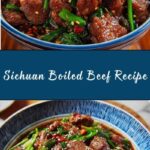
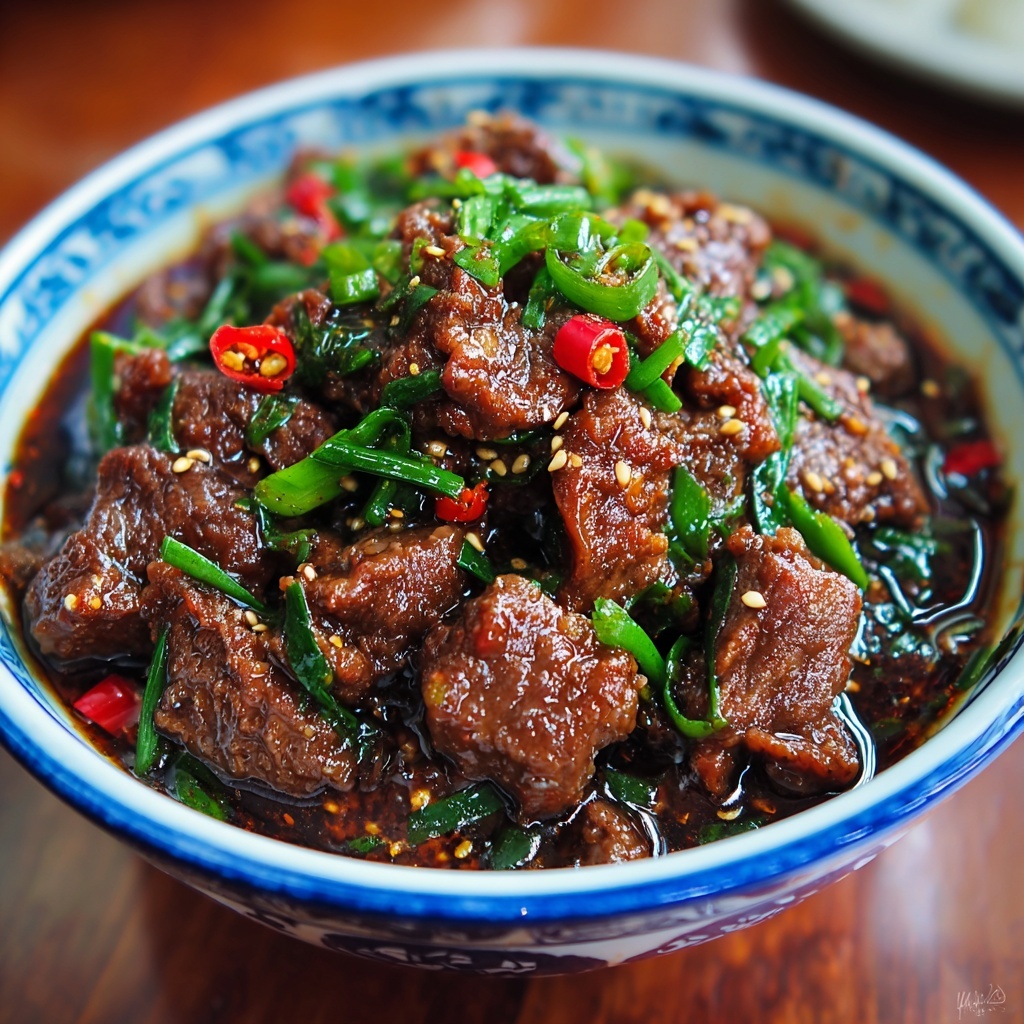
If you are craving a dish that bursts with fiery flavor and silky tender beef, you cannot go wrong with this Sichuan Boiled Beef Recipe. This iconic Chinese delicacy delivers a captivating blend of numbing Sichuan peppercorns, spicy chili bean paste, and a comforting broth that gently poaches thinly sliced beef to juicy perfection. Whether you’re familiar with Sichuan cuisine or exploring it for the first time, this dish promises bold taste, vibrant colors, and a wonderful balance of textures that will make your taste buds sing and your heart happy.
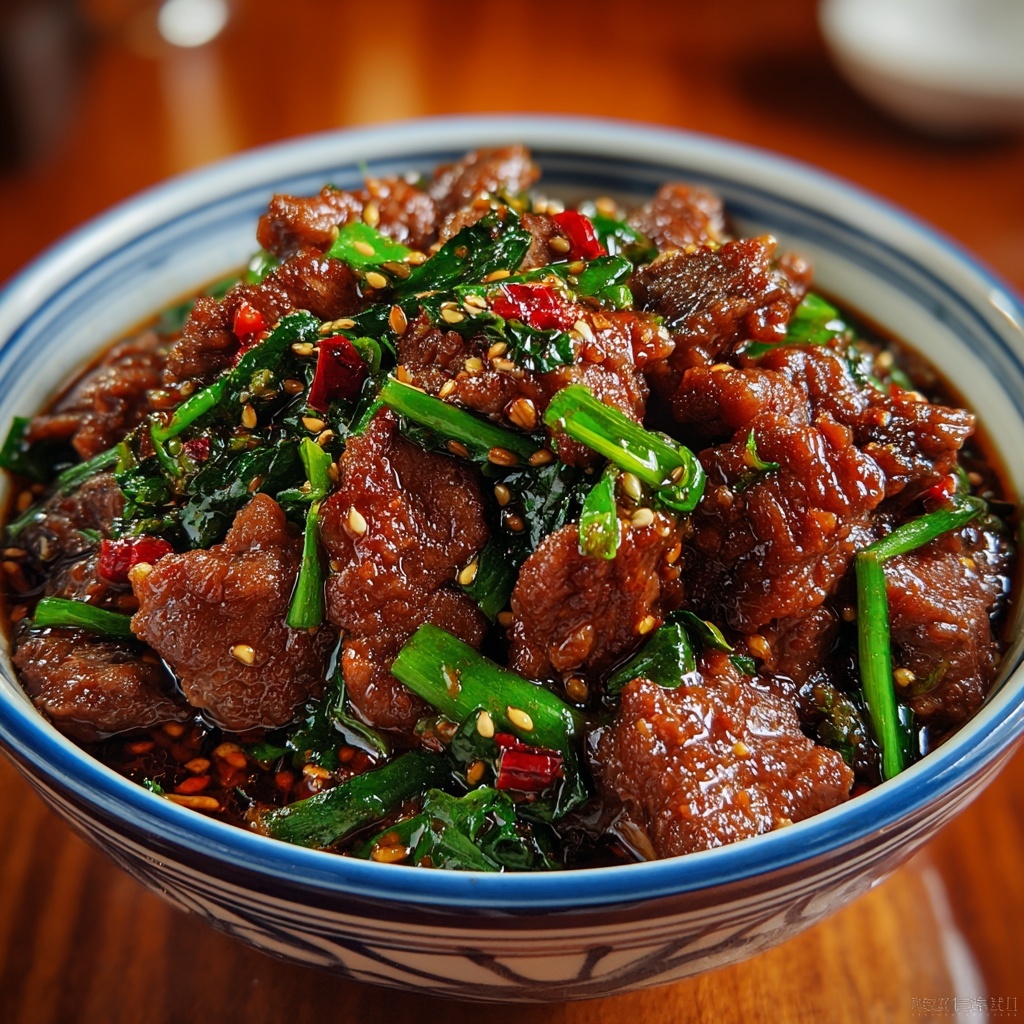
Ingredients You’ll Need
What makes this Sichuan Boiled Beef Recipe truly shine are its simple yet essential ingredients. Each one plays a unique role, whether it’s the tender beef slices, the fiery doubanjiang paste, or the fresh napa cabbage that lends a crisp contrast. When combined, they create a dish that is both satisfying and dazzling to the senses.
- 1 pound beef sirloin or flank steak (thinly sliced against the grain): Ensures tender, quick-cooking meat that absorbs all the vibrant flavors.
- 2 tablespoons soy sauce: Adds umami depth and a subtle salty touch.
- 1 tablespoon Shaoxing wine (or dry sherry): Enhances complexity and tenderizes the beef.
- 1 tablespoon cornstarch: Creates a slight velvety coating on the beef for smooth texture.
- 4 cups napa cabbage or bok choy (chopped): Introduces a fresh, delicate crunch that balances the heat.
- 1 cup bean sprouts: Adds light earthiness and crispness.
- 3 tablespoons Sichuan chili bean paste (doubanjiang): The soul of the dish, packing authentic spicy, salty, and fermented flavor.
- 2 tablespoons garlic (minced): Brings aromatic pungency.
- 1 tablespoon ginger (minced): Injects natural warmth and zesty spice.
- 2 teaspoons Sichuan peppercorns: Delivers the hallmark tingling sensation and floral notes.
- 4 dried red chilies (broken into pieces): Intensifies the chili heat authentically.
- 4 cups beef or chicken broth: Forms the rich, savory poaching liquid.
- 2 tablespoons vegetable oil: Used for stir-frying aromatics and peppercorns.
- 1 teaspoon sugar: Balances the spice with a touch of sweetness.
- Salt to taste: To season and enhance all the flavors.
- Optional garnish: sliced green onions, chili oil: Adds freshness and extra spicy kick.
How to Make Sichuan Boiled Beef Recipe
Step 1: Marinate the Beef
Begin by combining your thinly sliced beef with soy sauce, Shaoxing wine, cornstarch, and a pinch of salt in a bowl. Mix everything thoroughly so that the beef is coated evenly. Letting it marinate for 20 to 30 minutes allows the meat to soak up those flavors and ensures that it stays tender during cooking. This is a key first step to achieving that melt-in-your-mouth texture that defines this dish.
Step 2: Toast the Sichuan Peppercorns and Dried Chilies
Heat one tablespoon of vegetable oil in a wok or large pot over medium heat. Toss in the Sichuan peppercorns and dried red chilies, stir-frying briefly until you can smell their intoxicating fragrance—this usually takes about 30 seconds. Be careful not to burn them. Then, remove these aromatics and set them aside; they will be used later as a flavorful garnish that adds both visual appeal and textural contrast.
Step 3: Make the Chili Aromatic Base
In the same wok, add the remaining vegetable oil, followed by minced garlic, ginger, and the fiery Sichuan chili bean paste (doubanjiang). Stir-fry this aromatic base for 1 to 2 minutes until it becomes fragrant and vibrant. This mixture is where the magic happens, as it lays the foundation for the characteristic bold and spicy profile of the dish.
Step 4: Build the Broth
Pour in the beef or chicken broth to your pot, bringing it to a boil. Add sugar and season with salt, balancing the flavors so that the broth isn’t too sharp or salty. This liquid will gently cook both the vegetables and the beef, infusing them with all those rich, spicy flavors.
Step 5: Cook the Vegetables
Add your chopped napa cabbage or bok choy along with bean sprouts into the broth. Cook for just 2 to 3 minutes until the vegetables turn tender but still retain their crunch and bright color. Use a slotted spoon or tongs to transfer them to a large serving bowl, creating a vibrant bed for your beef.
Step 6: Poach the Beef
Return the broth to a gentle boil and carefully add the marinated beef slices. Poach them for 2 to 3 minutes until they are just cooked through. Because the beef is sliced thinly, this quick poaching keeps it juicy and tender without overcooking.
Step 7: Assemble and Garnish
Pour the beef and spicy broth evenly over the bed of vegetables in your serving bowl. Finally, sprinkle the reserved toasted Sichuan peppercorns and dried chilies for a delightful crunch and burst of flavor. Add sliced green onions and a drizzle of chili oil, if you like, for extra freshness and heat. Now your Sichuan Boiled Beef Recipe is ready to be enjoyed!
How to Serve Sichuan Boiled Beef Recipe
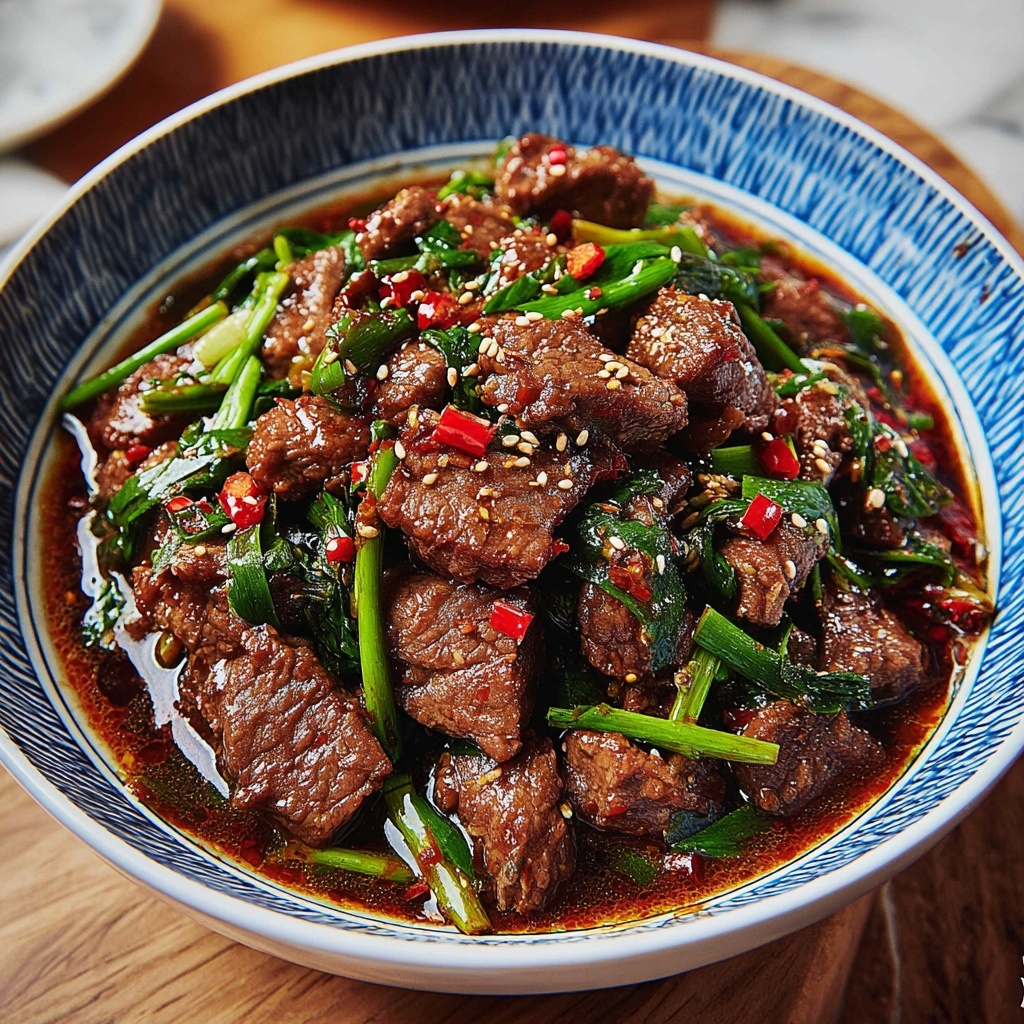
Garnishes
Garnishes are more than mere decoration in this dish. Adding freshly sliced green onions introduces a crisp, mild onion flavor that brightens every bite. The toasted Sichuan peppercorns and dried chilies lend a wonderful texture contrast and enhance that signature numbing-spicy kick. A drizzle of chili oil not only deepens the heat but also adds a glossy, appetizing finish.
Side Dishes
Pairing Sichuan Boiled Beef with simple sides can elevate your meal beautifully. Steamed jasmine rice is a classic choice that soaks up the flavorful broth perfectly. Lightly pickled vegetables provide a refreshing counterpoint to the richness of the beef, while a crisp cucumber salad adds a cooling element that balances the fiery heat.
Creative Ways to Present
To impress guests or simply enjoy a bit of fun, consider serving this dish family-style in a beautiful large bowl placed at the center of the table. You could also layer the vegetables and beef in clear glass bowls for a visually stunning presentation that showcases each vibrant color. For a party, offer small individual servings garnished elegantly with scallions and chili oil, letting everyone customize their own heat level.
Make Ahead and Storage
Storing Leftovers
This Sichuan Boiled Beef Recipe keeps well in an airtight container in the refrigerator for up to two days. Because the beef is poached fresh, leftovers might absorb more liquid over time, so storing the broth and solids separately can help maintain the texture of both.
Freezing
While fresh poached beef is always best enjoyed immediately, you can freeze the broth and vegetables separately for up to one month. Beef slices do not freeze well once cooked, as their texture can become tough or grainy upon thawing, so it’s best to freeze only the soup components if you want to save time later.
Reheating
When reheating, gently warm the broth and vegetables on the stove without boiling to preserve their texture and flavor. Add fresh beef slices and briefly poach them just until cooked through to recreate that perfect tenderness and prevent toughness. This method restores the dish’s signature experience close to freshly made.
FAQs
Can I use a different cut of beef?
Absolutely! While sirloin or flank steak is preferred for its tenderness and easy slicing, you could also use ribeye or tenderloin. Just make sure to slice the beef thinly against the grain to ensure it cooks quickly and stays tender.
What if I don’t have Shaoxing wine?
If you don’t have Shaoxing wine on hand, dry sherry or a mild Chinese cooking wine are perfect substitutes. Avoid using stronger wines or alcohols as they may overpower the dish’s delicate balance.
How spicy is Sichuan Boiled Beef Recipe?
This dish definitely carries a spicy punch, thanks to the chili bean paste, dried chilies, and Sichuan peppercorns. However, you can easily adjust the heat by reducing the amount of chili paste or chilies to suit your taste.
Is it possible to make this recipe vegetarian?
You can create a vegetarian version by skipping the beef and using firm tofu or mushrooms instead. Use vegetable broth in place of beef broth and adjust seasonings to taste. While it won’t be the traditional Sichuan Boiled Beef Recipe, it will still be full of flavor and spice.
What sides pair well with this dish?
Simple steamed rice is a classic side that balances the heat. Other great options include stir-fried greens, pickled radishes, or cool cucumber salads to add freshness and contrast to the rich, spicy beef.
Final Thoughts
This Sichuan Boiled Beef Recipe is one of those dishes that warms your soul and excites your palate with every bite. From the tender beef to the lively, numbing spices and fresh vegetables, it’s a celebration of bold flavors and comforting textures. I promise once you give this dish a try, it will earn a permanent place in your recipe collection and become a favorite to share with family and friends. So go ahead, embrace the vibrant world of Sichuan cooking, and enjoy every delicious moment!
Print
Sichuan Boiled Beef Recipe
- Prep Time: 25 minutes
- Cook Time: 15 minutes
- Total Time: 40 minutes
- Yield: 4 servings 1x
- Category: Main Course
- Method: Poaching
- Cuisine: Chinese (Sichuan)
Description
Sichuan Boiled Beef is a traditional spicy Chinese dish featuring tender beef slices poached in a flavorful broth infused with Sichuan peppercorns, chili bean paste, garlic, and ginger. Served over a bed of fresh napa cabbage or bok choy and bean sprouts, this vibrant recipe balances heat and numbing spices, delivering an authentic taste of Sichuan cuisine that is both comforting and exhilarating.
Ingredients
Beef Marinade
- 1 pound beef sirloin or flank steak, thinly sliced against the grain
- 2 tablespoons soy sauce
- 1 tablespoon Shaoxing wine (or dry sherry)
- 1 tablespoon cornstarch
- Pinch of salt
Vegetables
- 4 cups napa cabbage or bok choy, chopped
- 1 cup bean sprouts
Sauce and Seasonings
- 3 tablespoons Sichuan chili bean paste (doubanjiang)
- 2 tablespoons garlic, minced
- 1 tablespoon ginger, minced
- 2 teaspoons Sichuan peppercorns
- 4 dried red chilies, broken into pieces
- 4 cups beef or chicken broth
- 2 tablespoons vegetable oil
- 1 teaspoon sugar
- Salt to taste
Optional Garnish
- Sliced green onions
- Chili oil
Instructions
- Marinate the Beef: In a bowl, combine the thinly sliced beef with soy sauce, Shaoxing wine, cornstarch, and a pinch of salt. Mix thoroughly to coat and let it marinate for 20 to 30 minutes to enhance tenderness and flavor.
- Prepare Aromatics: Heat 1 tablespoon of vegetable oil in a wok or large pot over medium heat. Add Sichuan peppercorns and dried red chilies and stir-fry briefly—about 30 seconds—until fragrant. Remove these aromatics from the pot and set aside for garnish later.
- Sauté Sauce Base: In the same pot, add the remaining 1 tablespoon of vegetable oil. Add minced garlic, ginger, and Sichuan chili bean paste. Sauté this mixture for 1 to 2 minutes, allowing the flavors to meld and the aroma to intensify.
- Cook the Broth and Vegetables: Pour in the beef or chicken broth and bring to a boil. Stir in the sugar and adjust salt to taste. Add the chopped napa cabbage or bok choy and bean sprouts. Cook the vegetables for 2 to 3 minutes until just tender but still crisp. Transfer the cooked vegetables to a large serving bowl.
- Poach the Beef: Return the broth to a gentle boil and add the marinated beef slices. Poach gently for 2 to 3 minutes until the beef is just cooked through and tender without overcooking.
- Assemble and Garnish: Pour the hot beef and broth over the bed of vegetables in the serving bowl. Garnish with the reserved Sichuan peppercorns and dried chilies, sliced green onions, and a drizzle of chili oil if desired for extra heat and color.
Notes
- Thinly slicing the beef against the grain is essential for quick cooking and tenderness.
- Adjust the heat level by varying the amount of doubanjiang and dried chilies according to your preference.
- Use freshly ground Sichuan peppercorns for the best aromatic impact.
- Serve immediately to enjoy the beef tender and the broth hot.