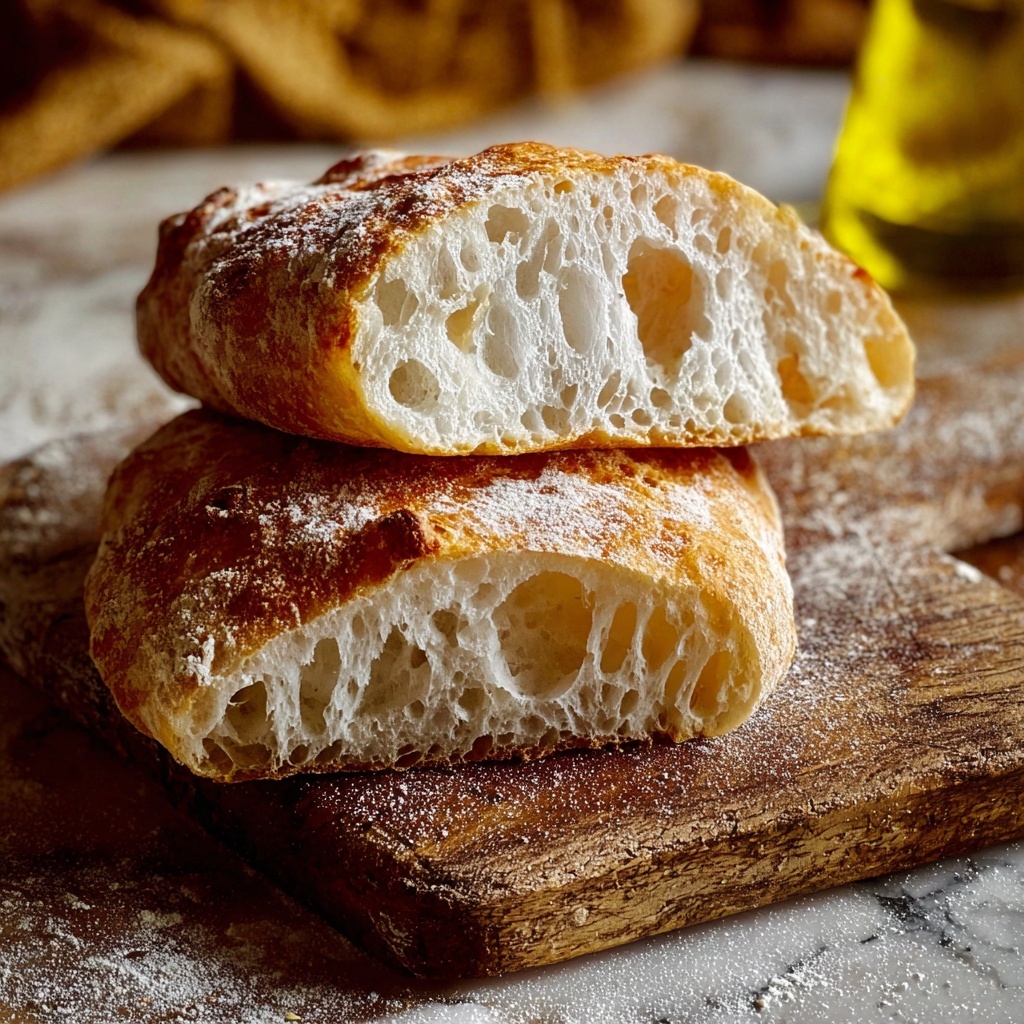
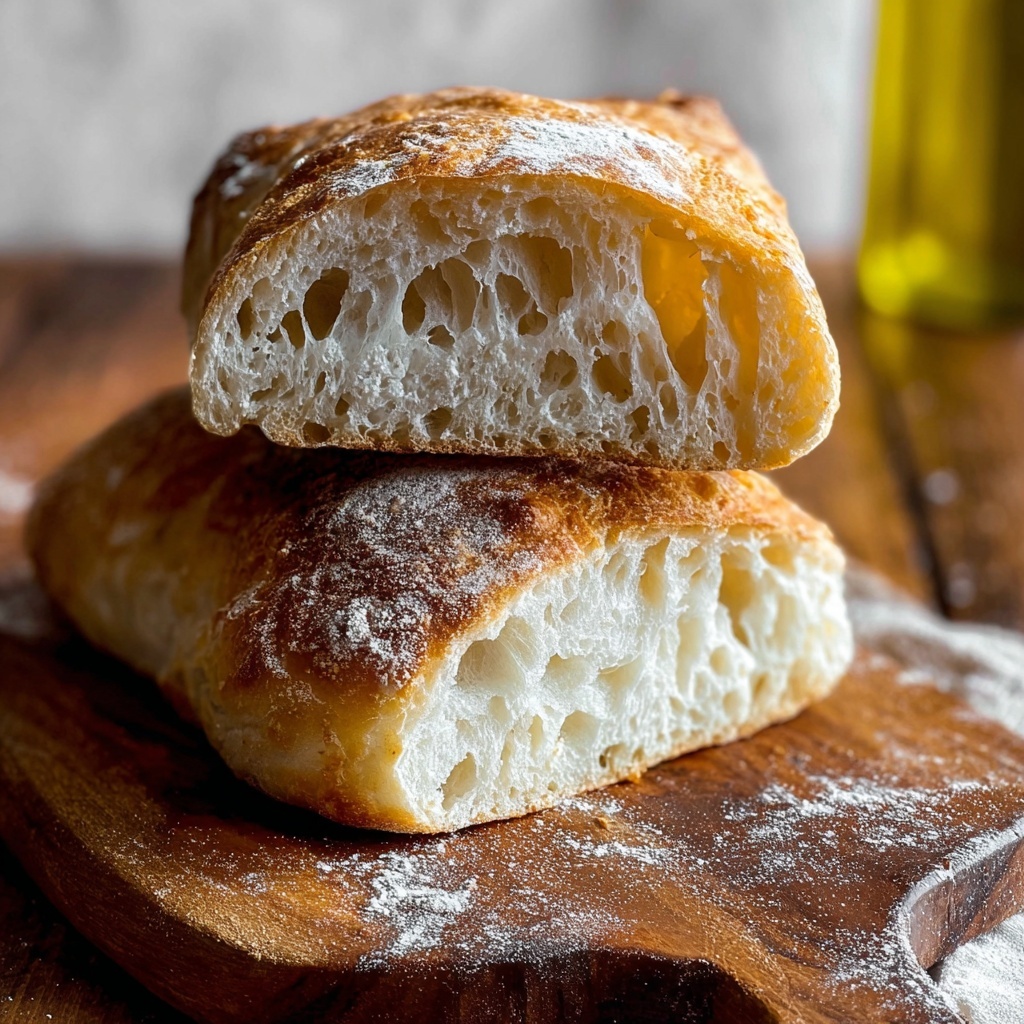
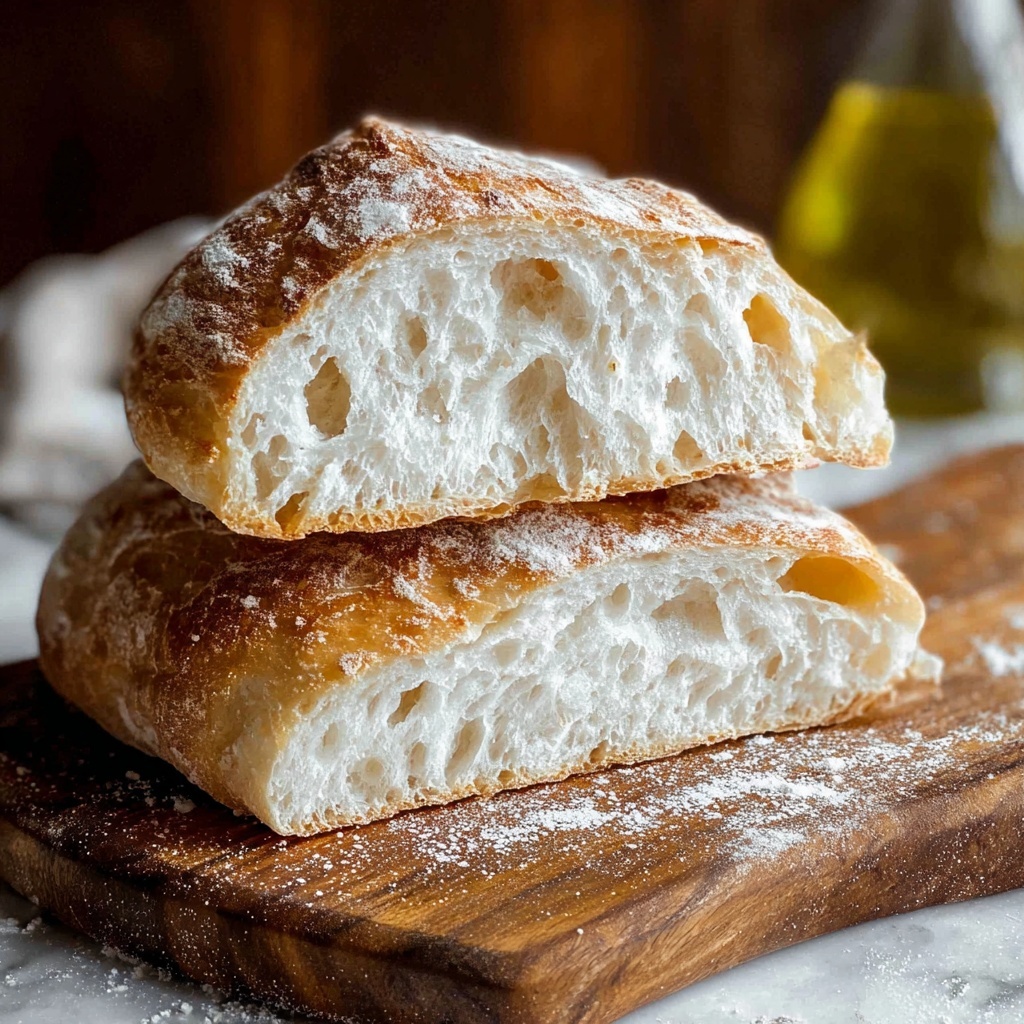
If you have ever dreamed of baking your own crusty, airy loaf of Italian bread, this Homemade Ciabatta Bread Recipe is your new best friend in the kitchen. It brings together a simple starter called a biga and a few staple ingredients to create that iconic chewy texture and rustic golden crust that make ciabatta so irresistible. Whether you’re new to bread baking or want to add a classic artisan loaf to your repertoire, this recipe gives you the step-by-step confidence and tips to achieve bakery-quality results right at home.
Ingredients You’ll Need
With just a handful of straightforward, everyday ingredients, you’ll craft a bread that’s packed with flavor and has the perfect texture. Each element plays a crucial role—from the biga that develops complex taste to the flour and yeast that give the dough its structure and rise.
- All-purpose flour: The foundational ingredient that provides structure and chewiness to the bread.
- Water: Used both in the biga and the dough; it hydrates the flour to create that characteristic open crumb.
- Active dry yeast: Helps the dough rise beautifully and develops flavor over time.
- Salt: Enhances every note in the bread, balancing the taste and strengthening the gluten network.
How to Make Homemade Ciabatta Bread Recipe
Step 1: Preparing the Biga (Starter)
The magic behind the flavor and texture of this Homemade Ciabatta Bread Recipe starts with the biga. Mix the flour, water, and a pinch of yeast gently in a bowl and leave it to rest at room temperature for 12 to 18 hours. It will bubble and expand, creating a tangy and aromatic base that enriches the final dough. This slow fermentation is what gives your bread that irresistible rustic depth.
Step 2: Mixing the Dough
Once your biga is bubbly and ready, combine it with the remaining flour, water, yeast, and salt. Don’t worry if the dough feels very sticky—that’s the hallmark of a good ciabatta dough. Stir it together using a wooden spoon or a dough hook until the mixture forms a shaggy but cohesive mass, setting the stage for that delectably airy crumb.
Step 3: First Rise and Stretch & Fold
Let the dough rise in a warm spot, covered, for one hour. Then, gently stretch and fold the dough a few times by pulling one side up and folding it back onto itself. Rotate the bowl and repeat 3 to 4 times. This technique is key to strengthening the gluten strands without tough kneading. After a short rise of 30 to 45 minutes, repeat the stretch and fold one more time, then allow the dough to rise until it has nearly doubled in size over about two hours.
Step 4: Shaping and Baking
Generously flour your surface and carefully turn out the dough, dividing it into two rectangular loaves. Handle with floured hands or a bench scraper to keep as much air in the dough as possible. Place loaves on a parchment-lined baking sheet and let them rest uncovered as your oven preheats to a scorching 450°F (230°C). Bake for 20 to 25 minutes until the crust turns a beautiful golden brown and sounds hollow when tapped. Cooling on a wire rack is essential before slicing to let the crumb set perfectly.
How to Serve Homemade Ciabatta Bread Recipe
Garnishes
Ciabatta is pure joy on its own, but you can jazz it up with some olive oil sprinkled with herbs for dipping or spread a generous slather of garlic butter when it’s warm. Toasted slices topped with fresh basil and ripe tomatoes also make for a simple, delicious treat that celebrates the bread’s airy texture.
Side Dishes
Pair your Homemade Ciabatta Bread Recipe with a warm bowl of homemade soup, a fresh salad, or a charcuterie board. The mild flavor and chewy crumb make it an incredible vessel for soaking up sauces, accompanying cheeses, or layering with meats and veggies for sandwiches.
Creative Ways to Present
Why not transform your ciabatta into bruschetta by topping it with diced tomatoes, garlic, and olive oil? Or slice it horizontally to create impressive paninis, loaded with melted cheeses and roasted vegetables. The open crumb and sturdy crust lend themselves beautifully to any creative presentation you can dream up.
Make Ahead and Storage
Storing Leftovers
Wrap leftover ciabatta tightly in plastic wrap or keep it in an airtight container at room temperature to maintain freshness. It stays good for about two days before starting to dry out, so enjoy it while it’s still wonderfully soft inside with a crisp crust.
Freezing
To freeze ciabatta, wrap the loaf or individual slices tightly in plastic wrap and then place in a freezer bag. This method preserves its texture well, allowing you to enjoy fresh-baked flavor whenever you want by thawing overnight.
Reheating
Bring back that just-baked warmth by reheating slices in a toaster or warming whole loaves in a preheated oven at 350°F (175°C) for about 10 minutes. This will refresh the crust’s crunch and make the crumb tender and inviting again.
FAQs
Can I make ciabatta bread without the biga starter?
While you can, the biga provides essential flavor and helps create the open, airy crumb that defines ciabatta. Skipping it will lead to a loaf that’s less flavorful and more dense.
Why is the dough so sticky?
Ciabatta dough is naturally wetter and stickier than many breads. This hydration creates large air bubbles and a light texture. Resist adding extra flour, and use floured hands or a bench scraper for handling.
How important is the stretch and fold technique?
Very important! It develops gluten strength without kneading and helps trap air in the dough for that perfect ciabatta texture.
Can I use whole wheat flour for this recipe?
You can substitute some whole wheat flour, but too much can make the dough heavy and affect rise. A blend with mostly all-purpose flour works best.
Is ciabatta bread vegan?
Yes! This Homemade Ciabatta Bread Recipe contains no animal products, making it suitable for vegans and vegetarians alike.
Final Thoughts
Making bread at home is one of life’s simple pleasures, and this Homemade Ciabatta Bread Recipe makes it surprisingly accessible and rewarding. With just a handful of ingredients and a bit of patience, you can fill your kitchen with the comforting aroma of fresh-baked bread and enjoy slices that are perfect for everything from sandwiches to dipping in olive oil. I can’t wait for you to try it and discover how satisfying baking your own ciabatta truly is!
Print
Homemade Ciabatta Bread Recipe
- Prep Time: 20 minutes (plus 12–18 hours for biga fermentation)
- Cook Time: 25 minutes
- Total Time: 14–18 hours
- Yield: 2 medium loaves 1x
- Category: Bread
- Method: Baking
- Cuisine: Italian
- Diet: Vegetarian
Description
A classic Italian ciabatta bread recipe featuring a wet, sticky dough and a slow fermentation process using a biga starter to develop a rich flavor and open crumb. Perfectly golden and crusty on the outside with a chewy interior, ideal for sandwiches or dipping in olive oil.
Ingredients
For the biga (starter):
- 1 cup all-purpose flour
- ½ cup water (room temperature)
- ⅛ teaspoon active dry yeast
For the dough:
- 2 cups all-purpose flour
- ¾ cup water (lukewarm)
- 1 teaspoon salt
- ½ teaspoon active dry yeast
- All of the prepared biga
- Extra flour for dusting
Instructions
- Make the biga (preferably the night before): In a medium bowl, mix flour, water, and yeast until combined. Cover loosely and let sit at room temperature for 12–18 hours until bubbly and doubled in size.
- Make the dough: In a large bowl, combine the biga, flour, water, yeast, and salt. Mix with a wooden spoon or dough hook until a sticky dough forms. Cover the bowl and let the dough rise in a warm place for 1 hour.
- Stretch and fold: After 1 hour, gently pull one side of the dough up and fold it over, rotating the bowl and repeating 3–4 times. Let rise another 30–45 minutes. Repeat stretch and fold one more time, then let the dough rise until doubled (about 2 hours total).
- Shape the dough: Generously flour your work surface and gently turn out the dough. Divide into 2 equal rectangles with floured hands or a scraper—being careful not to deflate.
- Final rest and preheat oven: Place dough on a parchment-lined baking sheet and let rest uncovered for 30 minutes while the oven preheats to 450°F (230°C).
- Bake: Bake for 20–25 minutes until golden brown and hollow-sounding when tapped. Cool on a wire rack before slicing.
Notes
- This dough is very wet and sticky—resist the urge to add more flour.
- A bench scraper and floured hands make shaping easier.
- Great for sandwiches or dipping in olive oil.