
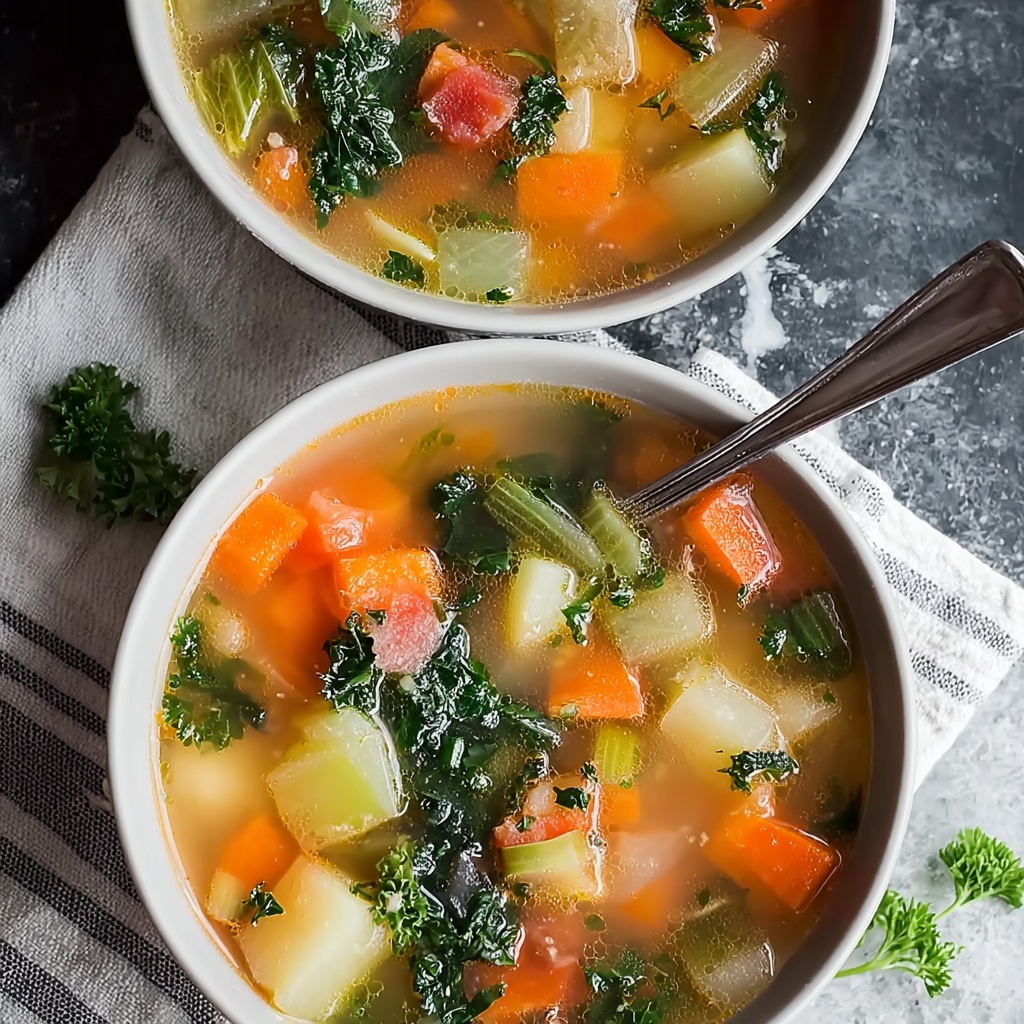
If you’re searching for a soul-soothing dish that cleanses, delights, and warms you up all at once, this Cleansing Winter Vegetable Miso Soup Recipe is exactly what you need. Bursting with vibrant winter vegetables, rich umami flavors from miso, and a touch of soothing warmth from ginger and garlic, this soup is like a bowl of comfort and healing during chilly days. Its simple, wholesome ingredients come together to create a nourishing experience that feels like a gentle reset for your body and spirit.
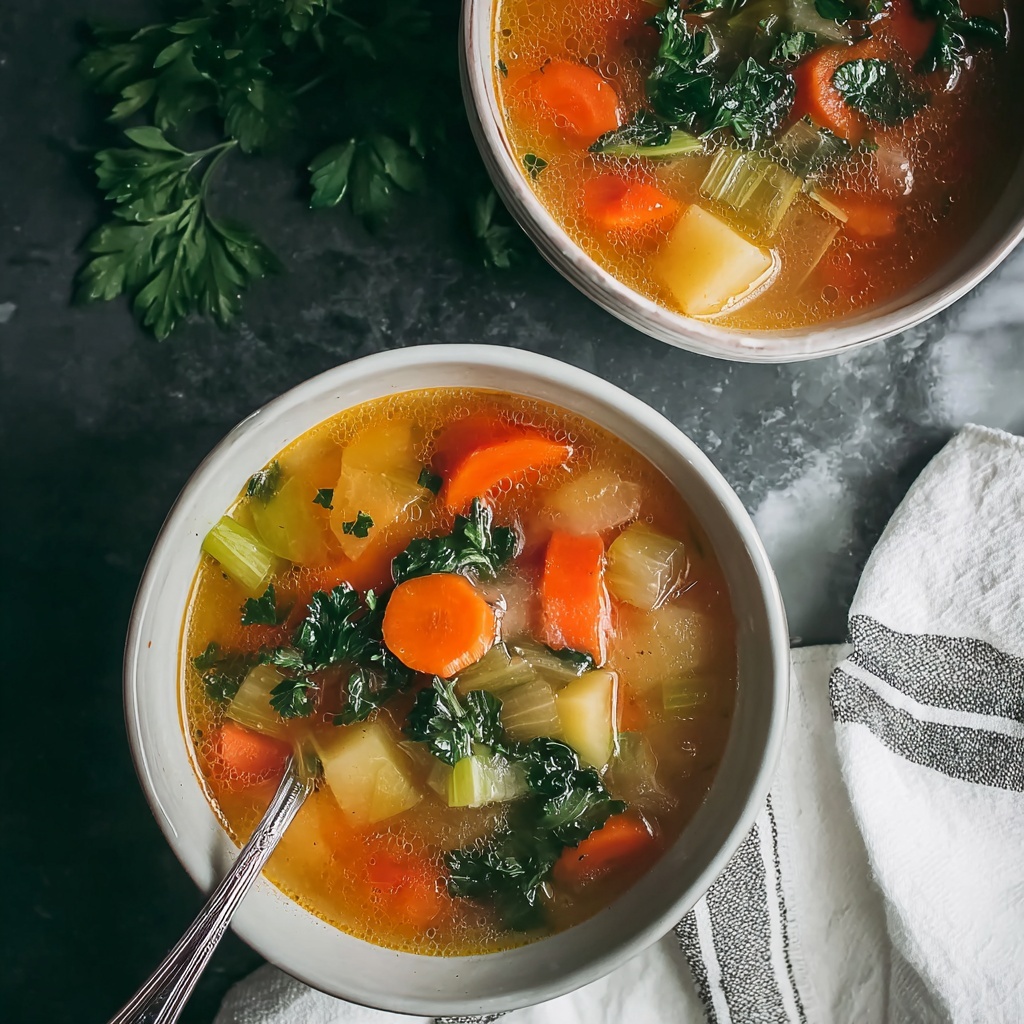
Ingredients You’ll Need
The beauty of this Cleansing Winter Vegetable Miso Soup Recipe lies in its straightforward ingredients, each chosen to add depth, color, and texture to the bowl. From the sweet earthiness of carrots and sweet potato to the fresh crunch of Napa cabbage, every element works harmoniously to create a balanced, delicious soup.
- Sesame oil: Provides a fragrant, nutty base that enhances all the other flavors.
- Small onion (sliced): Adds sweetness and a gentle aromatic layer.
- Garlic cloves (minced): Brings warmth and a subtle piquancy to the broth.
- Fresh ginger (grated): Offers a clean, spicy bite that refreshes the palate.
- Carrots (sliced): Contributes sweetness and vibrant orange color.
- Sweet potato (peeled and diced): Adds creaminess and a satisfying heartiness.
- Chopped Napa cabbage or bok choy: Lends a tender crunch and leafy green freshness.
- Low-sodium vegetable broth: Forms the gentle, savory liquid foundation.
- White or yellow miso paste: Injects savory depth and probiotic magic into the soup.
- Soy sauce or tamari: Boosts umami flavor and balances sweetness.
- Firm tofu (cubed): Adds protein and a silky texture to the bowl.
- Sliced green onions: Provides a bright, fresh garnish that brings the soup to life.
- Optional toppings (sesame seeds, chili flakes, fresh herbs): Customize for an extra kick or a nutty crunch.
How to Make Cleansing Winter Vegetable Miso Soup Recipe
Step 1: Sauté the aromatics
Start by warming the sesame oil in a large pot over medium heat. Toss in the sliced onion, minced garlic, and freshly grated ginger. Sauté these aromatics just 2 to 3 minutes until they become wonderfully fragrant and translucent, setting the perfect foundation of flavor for your soup.
Step 2: Add the winter vegetables
Next, add your sliced carrots, diced sweet potato, and chopped Napa cabbage or bok choy to the pot. Stir everything together and cook for about 4 to 5 minutes—this allows the vegetables to begin softening while mingling their flavors beautifully.
Step 3: Simmer the broth
Pour in 4 cups of low-sodium vegetable broth and bring the mixture to a gentle simmer. Let it cook uncovered for 10 to 12 minutes until the vegetables are tender but not mushy, preserving both texture and nutrients that make this soup so wholesome.
Step 4: Incorporate the miso paste
In a small bowl, whisk the miso paste with a few tablespoons of the hot broth until it becomes a smooth, velvety liquid. Stir this mixture back into the soup along with the soy sauce or tamari. This step infuses the broth with a deep umami richness that defines the dish’s character.
Step 5: Add tofu and finish gently
Carefully fold in the cubed tofu and allow it to warm through for about 2 to 3 minutes. Be sure to keep the soup below boiling at this stage to protect the beneficial probiotics in the miso—a small but powerful detail that makes a big difference.
How to Serve Cleansing Winter Vegetable Miso Soup Recipe
Garnishes
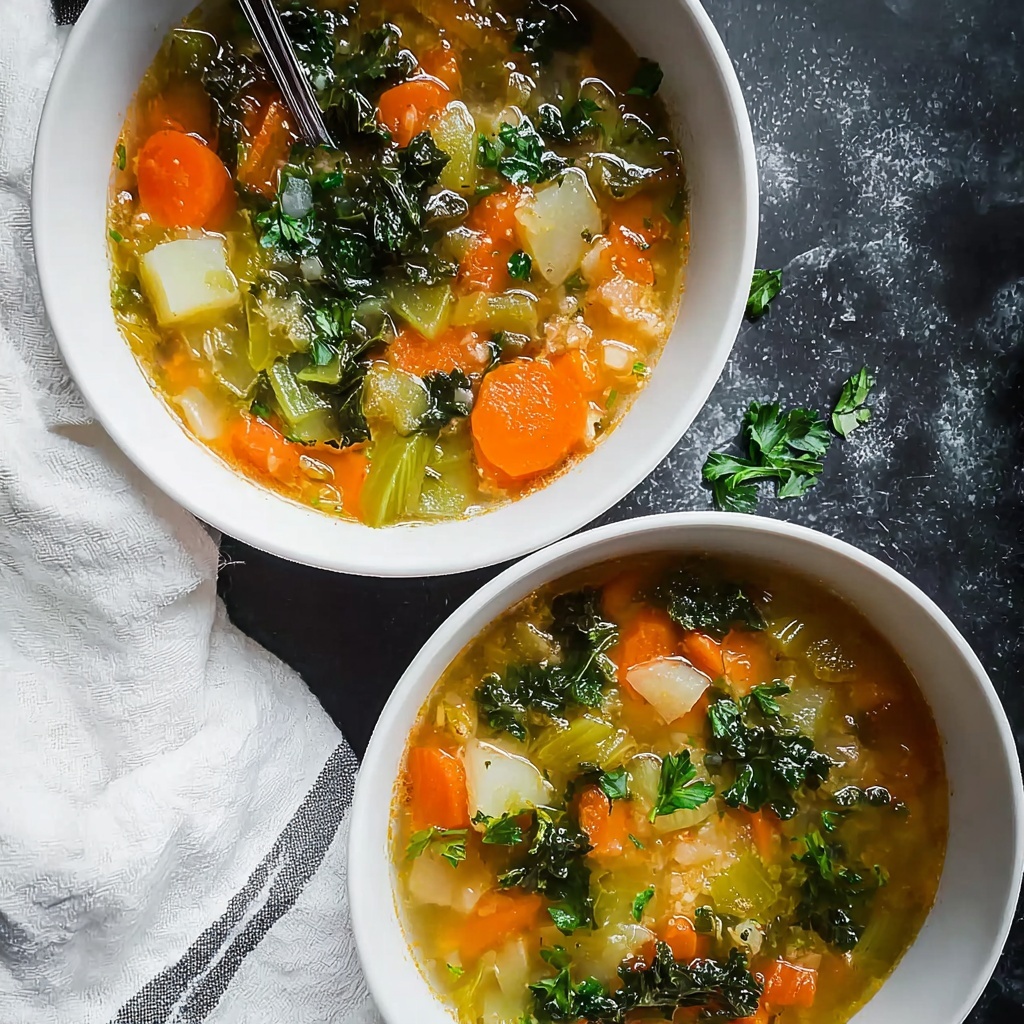
The magic of serving this soup comes in the garnishes that elevate every spoonful. Brightly sliced green onions add a fresh crunch, while toasted sesame seeds bring a delightful nuttiness. For those who like a little heat, chili flakes offer a gentle kick, and fresh herbs like cilantro or parsley can provide an herbal brightness that complements the earthy broth.
Side Dishes
This soup stands well on its own for a light meal but pairs beautifully with simple steamed rice or a crusty whole grain bread for dipping. A crisp side salad or pickled vegetables can also accompany to add texture contrasts and balance.
Creative Ways to Present
For an inviting presentation, serve the soup in rustic, deep bowls to keep it warm longer and invite savoring every sip. Layer the toppings artfully on top, so each guest can enjoy a burst of texture and flavor in each mouthful. You can also serve it in smaller cups as a nourishing appetizer to impress your guests with healthy sophistication.
Make Ahead and Storage
Storing Leftovers
After enjoying a comforting bowl, store any leftover soup in an airtight container in the refrigerator. It will keep beautifully for up to 3 days, allowing you to enjoy the nourishing benefits again without extra prep time. Just remember to keep the miso added fresh or stir it in when reheating for optimum flavor.
Freezing
This soup can be frozen but it’s best to freeze it before adding the miso paste and tofu; those ingredients have textures that can change when frozen. Freeze the vegetable broth base in portions, then add miso and tofu fresh when reheating for a soup that tastes just like new.
Reheating
Gently warm your soup over low heat, stirring occasionally. Avoid boiling once the miso is added to protect those fabulous probiotics that give this Cleansing Winter Vegetable Miso Soup Recipe its healthful edge. Reheat until just hot and enjoy the comforting flavors anew.
FAQs
Can I use different vegetables in this soup?
Absolutely! This recipe is wonderfully flexible. Feel free to swap in winter favorites like turnips, daikon radish, kale, or even mushrooms depending on what’s in your pantry and what flavors you crave.
Is this soup suitable for a vegan diet?
Yes, this Cleansing Winter Vegetable Miso Soup Recipe is fully vegan when using plant-based broth and tamari or soy sauce. It’s a nourishing and satisfying option that aligns beautifully with vegan eating.
Why shouldn’t I boil the soup after adding miso?
Miso contains live probiotic bacteria that support digestion and immunity. Boiling the soup after adding miso can kill these beneficial microorganisms, so it’s best to add miso last and warm gently to preserve its health benefits.
Can I prepare this soup ahead of time?
You can prepare the vegetable broth base ahead and refrigerate it. Store tofu and miso separately and add them just before serving to maintain freshness and texture while keeping the soup vibrant and nourishing.
What if I don’t have firm tofu?
Firm tofu works best because it holds its shape in the soup. If you only have silken tofu, handle it carefully when adding and expect a creamier texture. Alternatively, chickpeas or white beans can be a good protein substitute.
Final Thoughts
This Cleansing Winter Vegetable Miso Soup Recipe has become a cherished go-to for those chilly days when you need warmth, comfort, and a little gentle detox all in one bowl. It’s simple, nourishing, and soulfully satisfying—truly a gift to yourself. Give it a try, and you may just find it turns into your favorite ritual for winter wellness that you’ll want to share again and again with friends and family.
Print
Cleansing Winter Vegetable Miso Soup Recipe
- Prep Time: 10 minutes
- Cook Time: 20 minutes
- Total Time: 30 minutes
- Yield: 4 servings 1x
- Category: Soup
- Method: Stovetop
- Cuisine: Japanese-Inspired
- Diet: Vegan, Gluten Free
Description
This Cleansing Winter Vegetable Miso Soup is a nourishing and flavorful Japanese-inspired vegan soup perfect for detoxifying during cold months. Packed with wholesome winter vegetables, probiotic-rich miso, and protein-rich tofu, it offers a comforting and light meal that supports digestive health. The soup is simple to prepare on the stovetop and garnished with fresh green onions and optional seeds or chili flakes for extra flavor and texture.
Ingredients
Soup Base
- 1 tablespoon sesame oil
- 1 small onion, sliced
- 2 cloves garlic, minced
- 1 tablespoon fresh ginger, grated
Vegetables
- 2 medium carrots, sliced
- 1 small sweet potato, peeled and diced
- 1 cup chopped Napa cabbage or bok choy
Broth & Seasoning
- 4 cups low-sodium vegetable broth
- 2 tablespoons white or yellow miso paste
- 1 tablespoon soy sauce or tamari
Protein & Garnish
- 1/2 block firm tofu, cubed
- 2 green onions, sliced
- Optional toppings: sesame seeds, chili flakes, fresh herbs
Instructions
- Sauté Aromatics: In a large pot, heat sesame oil over medium heat. Add the sliced onion, minced garlic, and grated ginger. Sauté for 2 to 3 minutes until the mixture is fragrant and the onions become translucent.
- Add Vegetables: Stir in the sliced carrots, diced sweet potato, and chopped Napa cabbage or bok choy. Cook the vegetables for 4 to 5 minutes, stirring occasionally to soften them slightly.
- Simmer Vegetables: Pour in the low-sodium vegetable broth and bring the mixture to a simmer. Cook for 10 to 12 minutes or until the vegetables are just tender but still retain some texture.
- Incorporate Miso: In a small bowl, whisk the miso paste with a few tablespoons of the hot soup broth until smooth, which ensures the miso dissolves evenly without clumping. Stir this miso mixture back into the pot along with the soy sauce or tamari, mixing gently to combine.
- Add Tofu & Heat Gently: Add the cubed firm tofu to the soup. Heat for an additional 2 to 3 minutes, making sure the soup does not boil to preserve the beneficial probiotics in the miso paste.
- Serve and Garnish: Ladle the soup into bowls and garnish with sliced green onions, and optionally with sesame seeds, chili flakes, or fresh herbs for added flavor and texture. Serve hot and enjoy.
Notes
- Avoid boiling the soup after adding miso to preserve its probiotic benefits.
- Feel free to swap in seasonal vegetables such as turnips, daikon radish, or kale for variety.
- This soup is naturally vegan and gluten-free when using tamari gluten-free soy sauce.
- Use low-sodium broth to control the salt level of the soup.