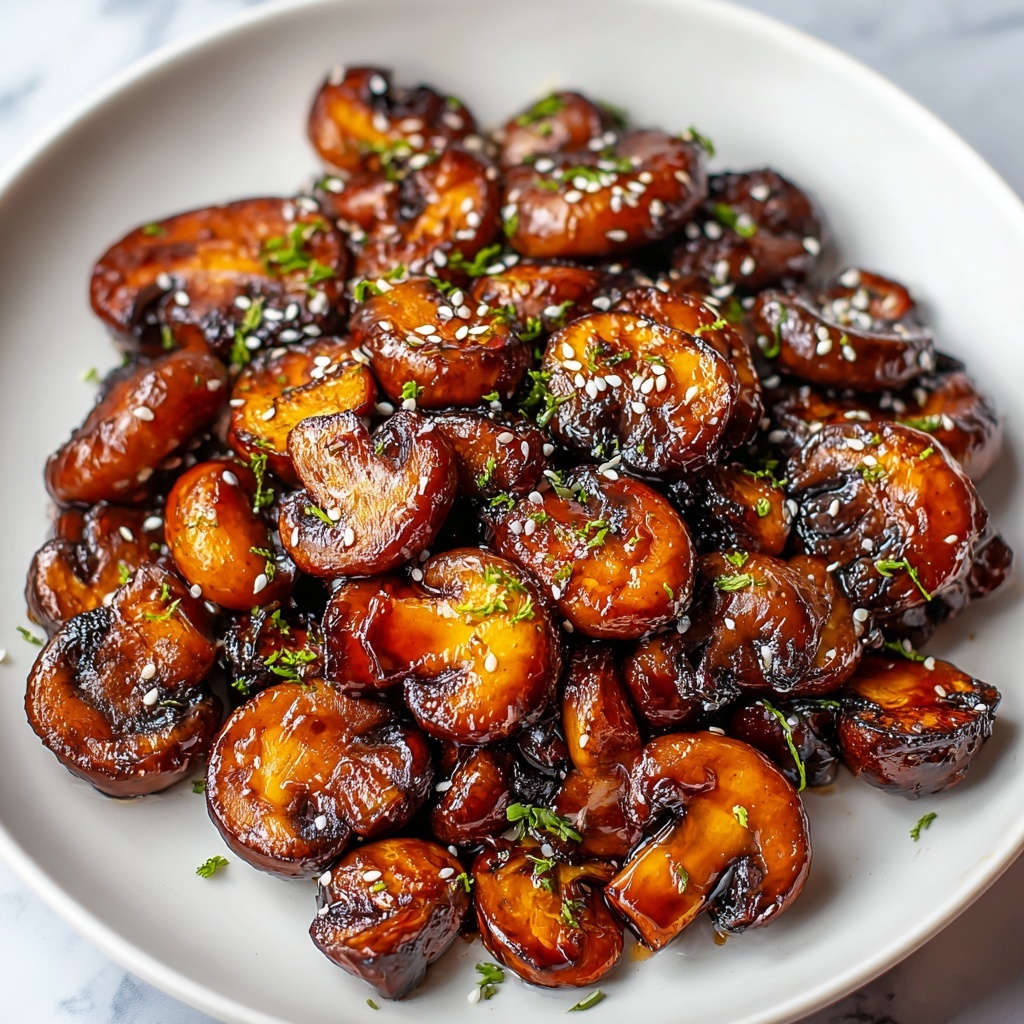
If you’re looking for a dish that brings bold, savory, and slightly sweet flavors all in one pan, this Gochujang Mushrooms Recipe is going to become your new go-to. The earthy mushrooms soak up the fiery kick of gochujang, balanced with hints of honey and tangy lemon juice, creating a mouthwatering explosion of taste that’s as comforting as it is exciting. Perfect for a quick weeknight dinner or as a stunning side, this recipe turns simple ingredients into something truly memorable.
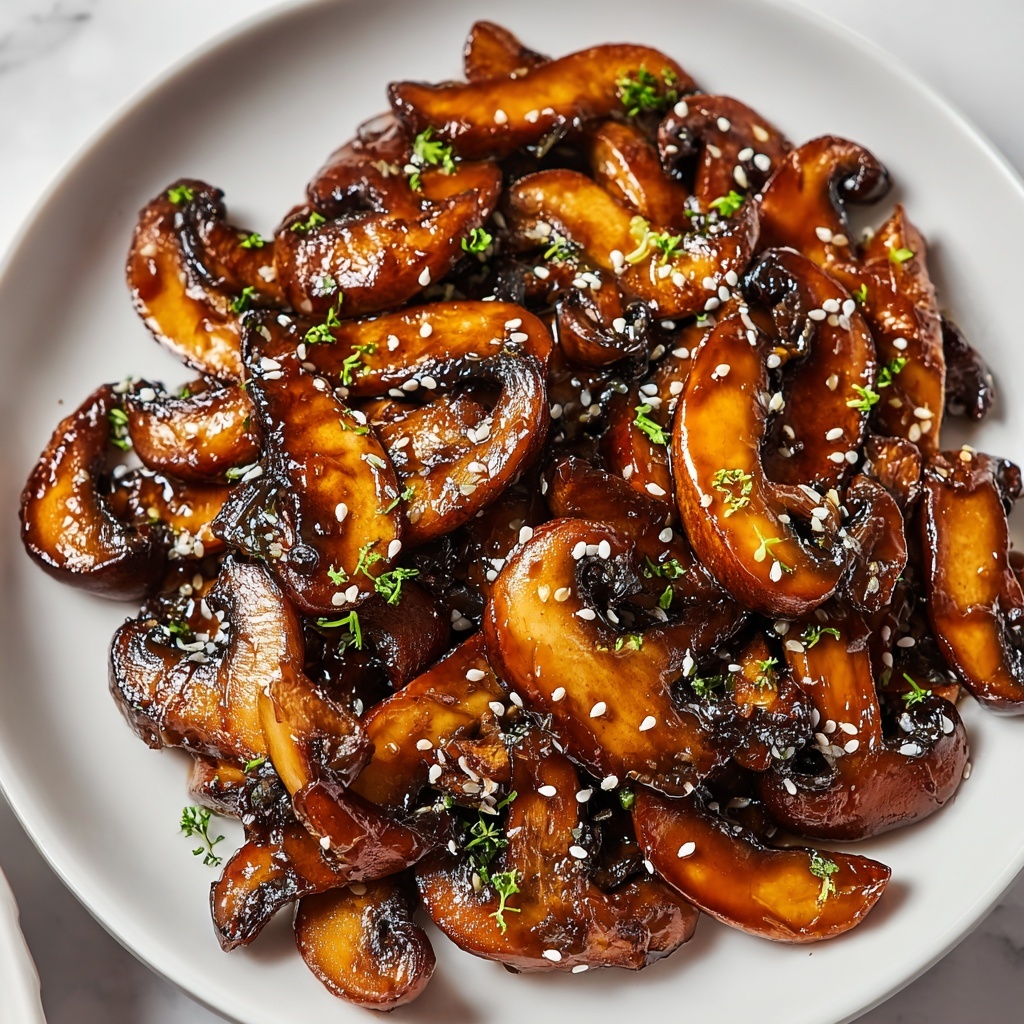
Ingredients You’ll Need
This Gochujang Mushrooms Recipe shines because of its simple but essential ingredients, each bringing a unique layer of flavor and texture. The mushrooms provide a juicy, meaty base, while the gochujang adds a vibrant spice that wakes up your palate. The balance of soy sauce, sesame oil, and lemon juice rounds out every bite with depth and brightness.
- 2 cups fresh shiitake or cremini mushrooms: Choose firm, fresh mushrooms for the best texture and flavor absorption.
- 2 tablespoons gochujang: This Korean chili paste brings a perfect blend of heat, sweetness, and umami.
- 3 cloves garlic, minced: Adds a punch of aromatic savoriness that enhances the mushrooms.
- 2 tablespoons low-sodium soy sauce: Provides salty, umami richness without overpowering the dish.
- 1 tablespoon sesame oil: Gives a toasty nuttiness that complements the earthy mushrooms beautifully.
- 2 green onions, chopped: Fresh and slightly sharp, these add a lovely crunch and color contrast.
- 1 tablespoon honey or maple syrup: Offers a subtle sweetness to balance the spicy gochujang.
- 1 tablespoon lemon juice: Brings a bright tang that lifts the entire dish.
How to Make Gochujang Mushrooms Recipe
Step 1: Prepare the Mushrooms
Start by cleaning your mushrooms gently with a damp cloth and slicing them evenly. This ensures they cook uniformly and get beautifully golden and tender in the pan.
Step 2: Sauté the Mushrooms
Heat the sesame oil over medium in a skillet. Add the mushrooms and sauté for about 5 minutes, stirring occasionally until they develop a lovely golden-brown color and start shrinking but still hold their juiciness.
Step 3: Add Garlic
In the last minute of cooking, stir in the minced garlic. This timing helps the garlic to release its aroma and mellow out without burning, infusing every bite with rich flavor.
Step 4: Mix the Sauce
While the mushrooms cook, whisk together the gochujang, soy sauce, honey (or maple syrup), and lemon juice in a small bowl. This smooth sauce is the magic that ties all the flavors together in your Gochujang Mushrooms Recipe.
Step 5: Combine Mushrooms and Sauce
Pour the prepared sauce over the sautéed mushrooms, stirring well to coat them evenly. Allow the mixture to cook for an additional 2 to 3 minutes so the mushrooms soak up the vibrant sauce and the flavors meld beautifully.
Step 6: Finish with Green Onions
Turn off the heat and sprinkle chopped green onions on top to add a fresh, crisp bite. This finishing touch also adds a lovely pop of green, making the dish as visually appealing as it is delicious.
How to Serve Gochujang Mushrooms Recipe
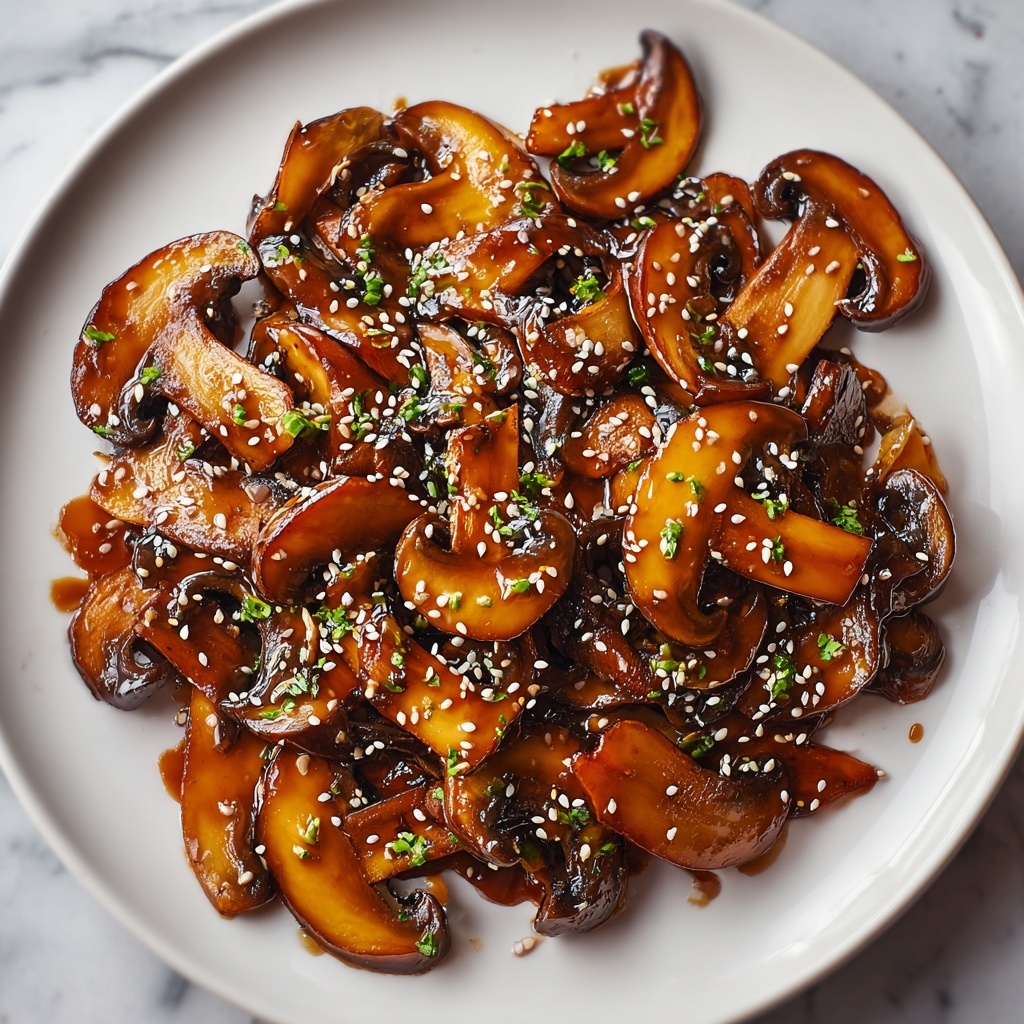
Garnishes
To elevate this dish, consider sprinkling toasted sesame seeds or a few fresh cilantro leaves on top. These subtle garnishes add texture and a burst of fresh aroma that complement the boldness of the gochujang sauce.
Side Dishes
Gochujang mushrooms go incredibly well alongside steamed jasmine rice or fluffy quinoa, which soak up the sauce perfectly. For a heartier meal, serve with grilled meats or tofu, or even toss with noodles to create a complete Korean-inspired feast.
Creative Ways to Present
Serve the mushrooms on a bed of fresh greens for a light salad, or stuff them into rice paper rolls along with crunchy vegetables for a unique appetizer. You can even top toasted baguette slices for a spicy mushroom bruschetta that’s sure to wow your guests.
Make Ahead and Storage
Storing Leftovers
You can store leftover gochujang mushrooms in an airtight container in the refrigerator for up to 3 days. The flavors actually deepen after resting, making for even tastier next-day enjoyment.
Freezing
This dish freezes well if you want to save it for later. Just cool completely, package in a freezer-safe container, and freeze for up to 2 months. Keep in mind the texture of mushrooms may soften slightly after freezing, making reheated dishes great for soups or stews.
Reheating
To reheat, gently warm the mushrooms in a skillet over medium-low heat, stirring occasionally until they’re heated through. Avoid microwaving if possible to preserve the best texture and flavor.
FAQs
Can I use other types of mushrooms for this recipe?
Absolutely! While shiitake or cremini mushrooms work best for their texture and flavor, you can experiment with button, portobello, or oyster mushrooms depending on what you have on hand.
Is gochujang very spicy?
Gochujang has a moderate heat level combined with a sweet and savory flavor, making it mildly spicy but very approachable. If you prefer less heat, start with less and gradually add more to taste.
Can I make this recipe vegan?
Yes, this Gochujang Mushrooms Recipe is naturally vegan as long as you use maple syrup instead of honey. It’s a fantastic plant-based dish full of rich umami flavor.
What can I substitute for soy sauce?
If you need a soy-free option, tamari or coconut aminos work well and provide similar savory notes without the soy.
How do I make the mushrooms less watery?
Cooking the mushrooms over medium heat without crowding the pan allows moisture to evaporate, resulting in nicely browned, less soggy mushrooms. Don’t stir too often — letting them sit helps them caramelize better.
Final Thoughts
There’s something truly special about this Gochujang Mushrooms Recipe that turns simple ingredients into a bold and satisfying dish you’ll crave again and again. Whether you’re cooking for yourself or sharing with friends, it’s a bright, flavorful treat that’s quick, easy, and endlessly versatile. I can’t recommend it enough—give it a try and watch those mushrooms bring your meals to life!
Print
Gochujang Mushrooms Recipe
- Prep Time: 5 minutes
- Cook Time: 15 minutes
- Total Time: 20 minutes
- Yield: 4 servings 1x
- Category: Side Dish
- Method: Stovetop
- Cuisine: Korean
- Diet: Vegetarian
Description
Gochujang Mushrooms is a quick and flavorful dish featuring sautéed shiitake or cremini mushrooms coated in a spicy, tangy Korean-inspired gochujang sauce. This savory and slightly sweet recipe comes together in just 20 minutes, making it an excellent side or vegetarian main that packs a punch of umami with every bite.
Ingredients
Mushrooms and Aromatics
- 2 cups fresh shiitake or cremini mushrooms, sliced
- 3 cloves garlic, minced
- 2 green onions, chopped
Sauce
- 2 tablespoons gochujang (Korean chili paste)
- 2 tablespoons low-sodium soy sauce
- 1 tablespoon sesame oil
- 1 tablespoon honey or maple syrup
- 1 tablespoon lemon juice
Instructions
- Prepare the mushrooms: Clean and slice the mushrooms evenly to ensure they cook uniformly.
- Sauté mushrooms: Heat sesame oil in a skillet over medium heat. Add the sliced mushrooms and cook for about 5 minutes until they turn golden brown and release their moisture.
- Add garlic: Stir in the minced garlic during the last minute of cooking to allow the garlic to become fragrant but not burnt.
- Make the sauce: In a separate bowl, whisk together the gochujang, low-sodium soy sauce, honey or maple syrup, and lemon juice until the mixture is smooth and well combined.
- Combine mushrooms and sauce: Pour the prepared gochujang sauce over the sautéed mushrooms, stirring well to coat. Continue cooking for an additional 2 to 3 minutes to heat the sauce through and allow flavors to meld.
- Finish and serve: Remove from heat and sprinkle chopped green onions on top for fresh flavor and garnish. Serve warm.
Notes
- You can substitute shiitake or cremini mushrooms with other varieties like button or portobello if preferred.
- Adjust the amount of gochujang according to your spice tolerance.
- For a vegan version, use maple syrup instead of honey.
- This dish pairs wonderfully with steamed rice or as a topping for noodles.
- Use low-sodium soy sauce to control salt levels in the dish.