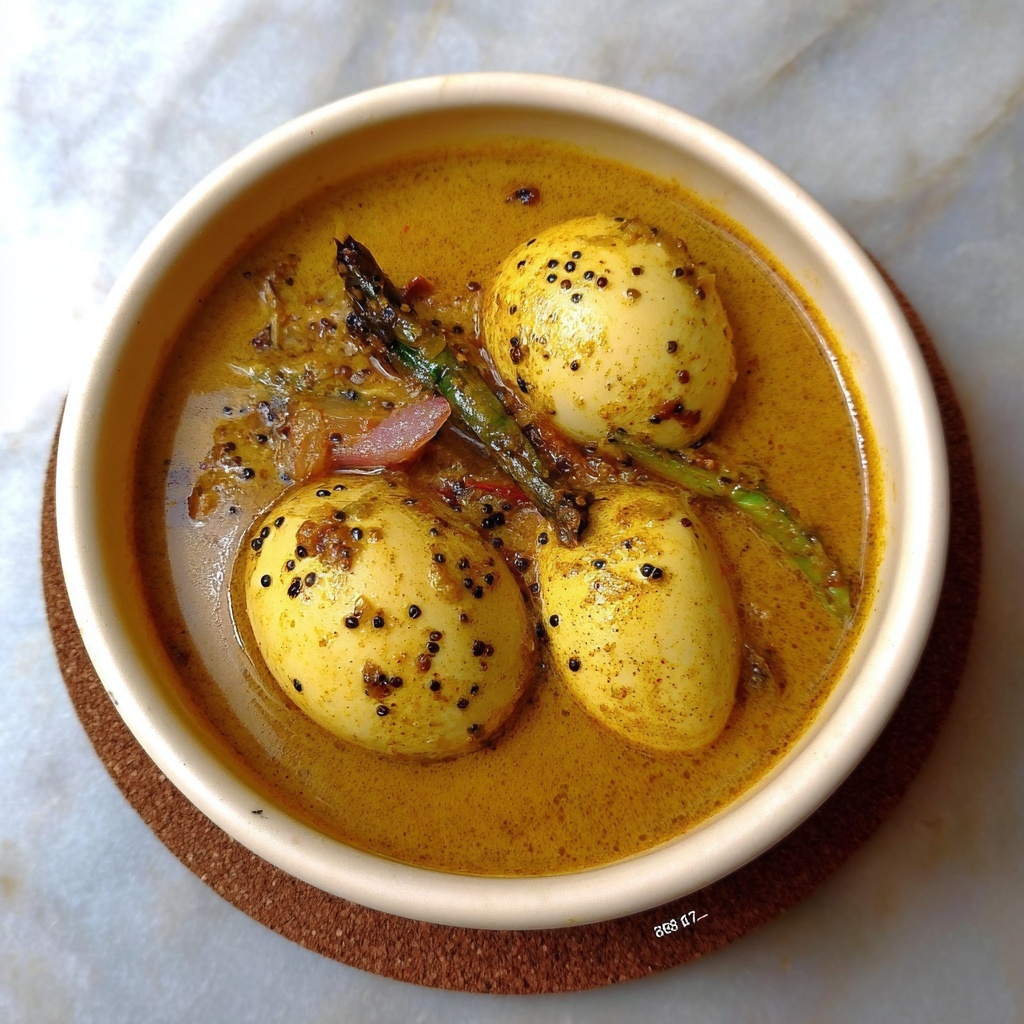
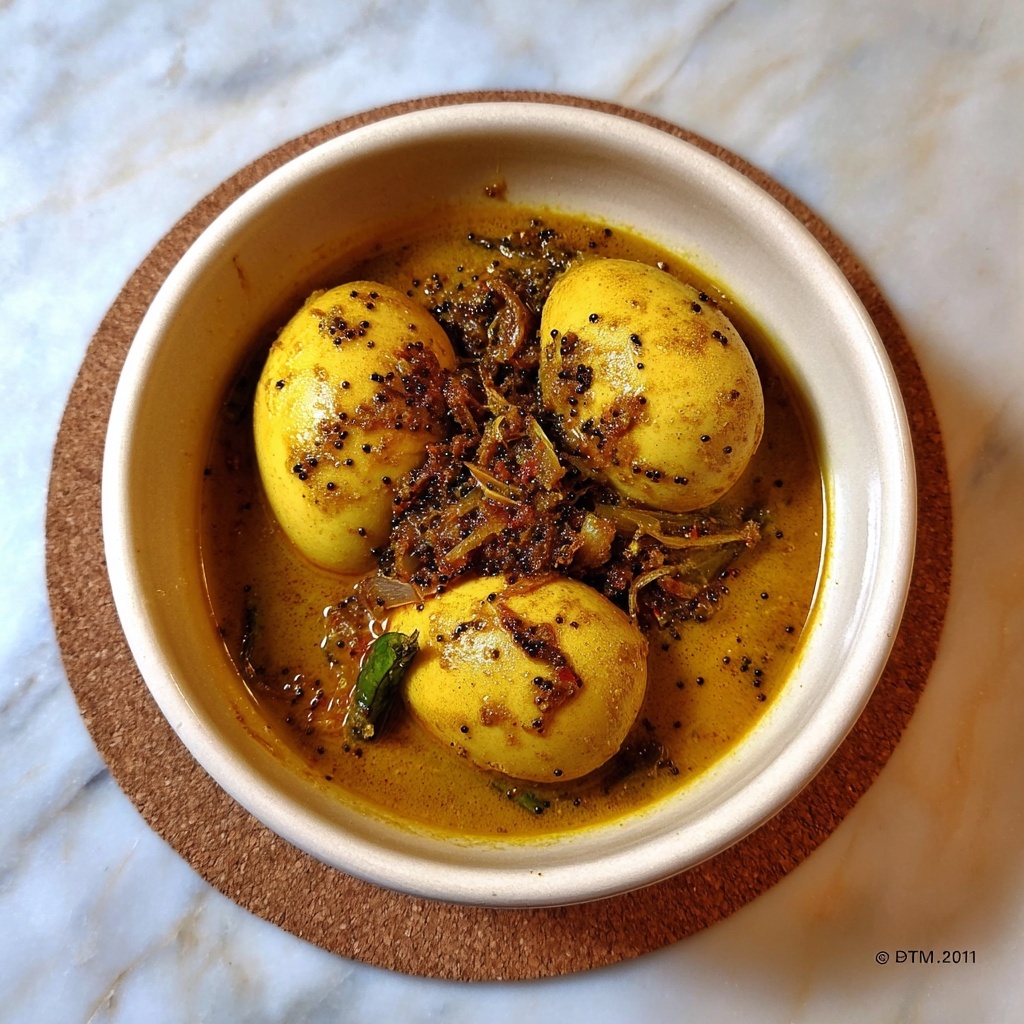
There is something truly special about a well-loved home-cooked curry, and the Sri Lankan Egg Curry Recipe delivers that comforting magic in every bite. This vibrant, aromatic dish combines perfectly boiled eggs with a rich blend of spices and creamy coconut milk for a curry that feels both indulgent and wholesome. It’s straightforward to prepare yet packed with deep flavors that celebrate Sri Lanka’s unique culinary heritage. Whether you’re in the mood for a cozy meal or want to impress friends with an exotic twist on eggs, this recipe is sure to become a favorite in your kitchen.
Ingredients You’ll Need
The beauty of the Sri Lankan Egg Curry Recipe lies in its simplicity and the balance of fresh spices and staples that make every bite pop with authentic flavor. Each ingredient plays a crucial role, from the warmth of turmeric to the subtle sweetness of coconut milk.
- 4 eggs (hard boiled and peeled): Provides the hearty protein base and soaks up the curry sauce beautifully.
- 2 tbsp coconut oil: Adds a rich, tropical note that’s essential in Sri Lankan cooking.
- 1 tsp mustard seeds: Gives a nutty, pungent start when tempered in hot oil.
- 1-2 sprigs curry leaves: Infuses the dish with fresh aromatic flavor unique to South Asian cuisines.
- 3 cloves garlic (minced): Adds a sharp, savory depth to the curry base.
- 1/2 inch ginger (minced): Brings a subtle warmth and zing that lifts the sauce.
- 3-4 green chillies (minced): Offers a gentle heat that wakes up the palate.
- 1 onion (thinly sliced): Provides sweetness and body as it cooks down.
- 1 tomato (chopped): Contributes acidity and a slight tang that balances the spices.
- 1 tsp coriander powder: Gives earthy undertones that highlight the curry’s complexity.
- 1/2 tsp turmeric powder: Delivers vibrant color and subtle bitterness.
- 1/2 tsp red chilli powder: Enhances the spiciness while coloring the sauce beautifully.
- 1/2 tsp cumin powder: Adds a smoky touch that complements the other spices.
- 3/4 tsp fennel powder: Introduces a lightly sweet, licorice-like dimension.
- 1/8 tsp cinnamon powder: A whisper of warmth that rounds out the flavor profile.
- 1/8 tsp clove powder: Contributes aromatic sharpness and depth.
- 1/8 tsp cardamom powder: Lends a fragrant, floral note that’s unmistakably Sri Lankan.
- 1/2 tsp fenugreek seeds: Adds slight bitterness that balances richness.
- 1 cup thin coconut milk: Brings luscious creaminess and a subtle sweetness to the curry.
- Salt and pepper to taste: Essential for seasoning and bringing all flavors together.
How to Make Sri Lankan Egg Curry Recipe
Step 1: Prepare Your Base
Start by heating coconut oil in a saucepan until it shimmers, then toss in the mustard seeds. Wait for them to pop and splutter — this quick tempering releases their flavor, setting the stage for the curry’s aroma.
Step 2: Building Layers of Flavor
Next, add the curry leaves, minced ginger, garlic, and green chillies to the hot oil. Fry these gently for a few minutes to create a fragrant melody of spices that wakes up your senses.
Step 3: Sauté the Onions
Add the thinly sliced onions and cook them until they become soft and translucent. This step develops the natural sweetness and soft texture that balance the heat from the chillies.
Step 4: Tomato Time
Stir in the chopped tomato, cooking it until it breaks down completely into the mixture. This adds a tangy layer and helps the spices stick to the ingredients better later on.
Step 5: Spice It Up
Sprinkle in all the dry spice powders — coriander, turmeric, red chilli, cumin, fennel, cinnamon, clove, and cardamom — along with the fenugreek seeds. Stir and cook until the raw smell disappears, allowing the spice blend to deepen and infuse the sauce.
Step 6: Add the Eggs
Carefully draw small slits on the hard boiled eggs so the flavors penetrate. Place them in the saucepan and coat each one thoroughly in the spiced sauce. Let them simmer gently for five minutes to soak up all those lovely flavors.
Step 7: Creamy Coconut Finish
Pour in the thin coconut milk, season with salt and pepper, then simmer the curry for another 5 to 10 minutes. The sauce will thicken slightly, creating a rich, creamy coating for the eggs to shine in.
Step 8: Serve Warm
Turn off the heat and get ready to enjoy a wholesome dish that’s bursting with flavor. This Sri Lankan Egg Curry Recipe is perfect to serve warm alongside your favorite bread or rice.
How to Serve Sri Lankan Egg Curry Recipe
Garnishes
A sprinkle of fresh coriander or a few additional curry leaves on top can elevate the presentation and add a fresh herbal touch that complements the warm spices perfectly.
Side Dishes
This curry shines when paired with fluffy basmati rice or warm, soft rotis to sop up every last drop of that luscious sauce. For something lighter, a simple cucumber salad adds a refreshing crunch.
Creative Ways to Present
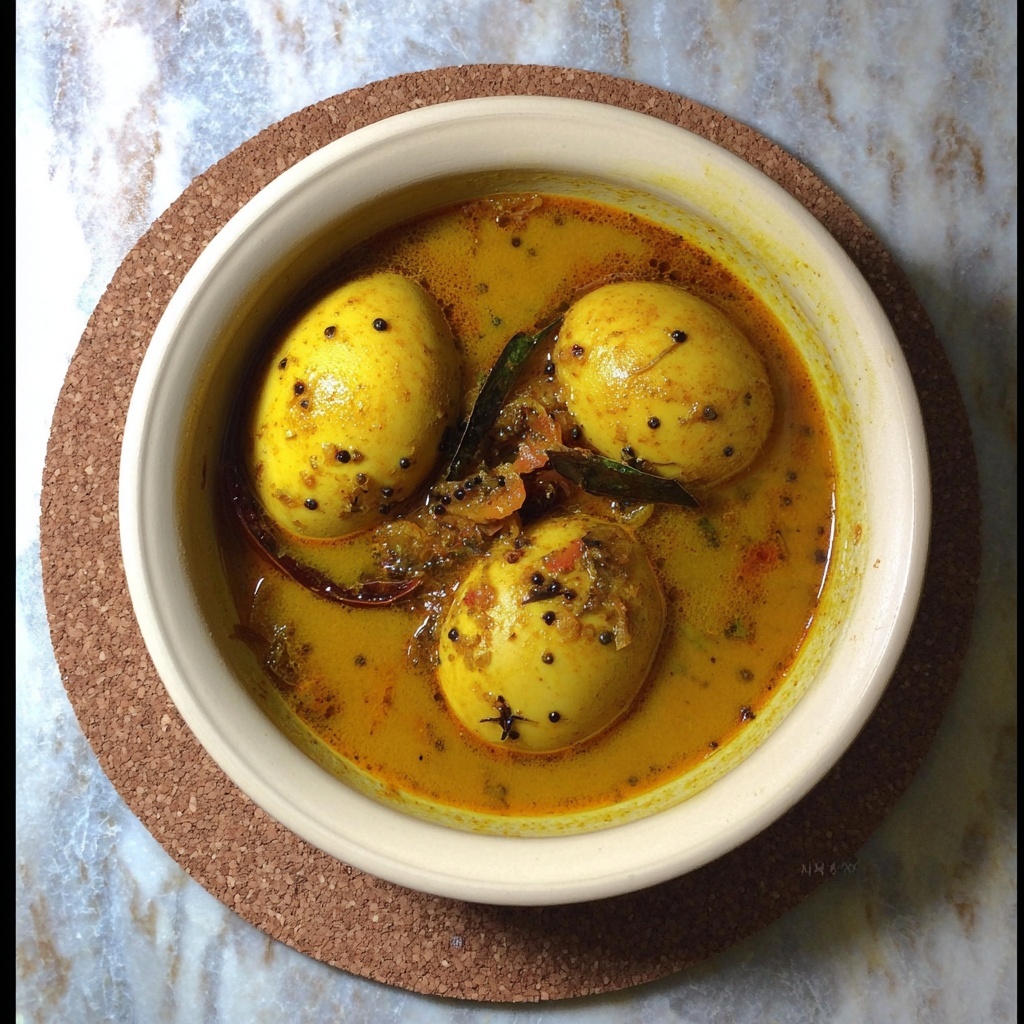
Serve the curry in a rustic clay pot for an authentic feel or plate the eggs whole on a wide dish drizzled with extra coconut milk around for a lovely visual contrast that invites everyone to dig in.
Make Ahead and Storage
Storing Leftovers
Transfer any leftover curry into an airtight container and refrigerate. The flavors deepen as it rests, making for an even tastier meal the next day within 2 to 3 days.
Freezing
This egg curry freezes well — just let it cool completely before sealing it in a freezer-safe container. Thaw overnight in the fridge for a convenient, ready-made meal.
Reheating
When reheating, warm the curry slowly on the stove over low heat. Stir gently to prevent the eggs from breaking apart and add a splash of water or coconut milk if the sauce gets too thick.
FAQs
Can I use boiled eggs that are not hard-boiled?
For the best texture and to hold up in the curry, it is ideal to use hard boiled eggs. Soft-boiled eggs might break apart when simmered, altering the curry’s consistency.
Is it possible to make the curry less spicy?
Absolutely! Adjust the number of green chillies and red chilli powder according to your heat preference. Starting with fewer chillies allows you to control the spice as you cook.
Can I substitute coconut oil with another type of oil?
Coconut oil gives a unique flavor that is signature to this recipe, but if you don’t have it, vegetable or mustard oil can be used as alternatives, though the taste will be slightly different.
How long does the Sri Lankan Egg Curry Recipe take to prepare?
This recipe is quite quick and usually takes about 35 minutes from start to finish, making it great for a flavorful weeknight dinner.
Are there any vegetarian adaptations possible?
Since the curry centers on eggs for protein, those avoiding eggs can substitute with firm tofu or vegetables like potatoes and cauliflower, adjusting cook times accordingly.
Final Thoughts
Cooking this Sri Lankan Egg Curry Recipe feels like inviting a treasured culinary tradition into your kitchen. The layers of spices, the richness of coconut milk, and the humble boiled egg coming together create a dish that’s vibrant and satisfying. Give this recipe a try—you might just find your new favorite comfort food to share with friends and family!
Print
Sri Lankan Egg Curry Recipe
- Prep Time: 10 minutes
- Cook Time: 25 minutes
- Total Time: 35 minutes
- Yield: 4 servings 1x
- Category: Main Course
- Method: Stovetop
- Cuisine: Sri Lankan
Description
A flavorful and aromatic Sri Lankan Egg Curry featuring hard-boiled eggs simmered in a rich, spiced coconut milk gravy. This traditional dish combines a blend of warm spices and fresh ingredients, perfect to serve with rice or roti for a wholesome meal.
Ingredients
Eggs
- 4 eggs (hard boiled and peeled)
Spices and Herbs
- 1 tsp mustard seeds
- 1–2 sprigs curry leaves
- 1 tsp coriander powder
- 1/2 tsp turmeric powder
- 1/2 tsp red chilli powder
- 1/2 tsp cumin powder
- 3/4 tsp fennel powder
- 1/8 tsp cinnamon powder
- 1/8 tsp clove powder
- 1/8 tsp cardamom powder
- 1/2 tsp fenugreek seeds
Aromatics and Vegetables
- 3 cloves garlic (minced)
- 1/2 inch ginger (minced)
- 3–4 green chillies (minced)
- 1 onion (thinly sliced)
- 1 tomato (chopped)
Others
- 2 tbsp coconut oil
- 1 cup thin coconut milk
- Salt and pepper to taste
Instructions
- Heat the oil and mustard seeds: Heat 2 tablespoons of coconut oil in a saucepan over medium heat. Once hot, splutter 1 teaspoon of mustard seeds until they start popping.
- Sauté aromatics and curry leaves: Add 1-2 sprigs of curry leaves, minced ginger, garlic, and green chillies. Fry for a couple of minutes until fragrant.
- Add and soften onions: Add thinly sliced onion and sauté until the onions are wilted and translucent.
- Cook the tomato: Add the chopped tomato and cook until it breaks down and becomes mashed up, forming the base of the sauce.
- Add spices and fenugreek seeds: Stir in all the powdered spices—coriander, turmeric, red chilli, cumin, fennel, cinnamon, clove, cardamom—and fenugreek seeds. Mix well and cook until the raw aroma of the spices disappears.
- Add eggs and coat: Make slits on the hard-boiled eggs to allow flavor to seep in. Add them to the sauce and coat well on all sides. Let it simmer gently for 5 minutes so the eggs absorb the spices.
- Pour in coconut milk and simmer: Pour in 1 cup of thin coconut milk, season with salt and pepper to taste, and simmer on low heat for 5 to 10 minutes until the sauce thickens slightly.
- Finish and serve: Turn off the heat and serve the egg curry warm, ideally paired with rotis or steamed rice for a satisfying meal.
Notes
- Slitting the eggs helps the curry flavors penetrate better.
- Adjust the number of green chillies for your preferred spice level.
- Use thin coconut milk for a lighter, more liquid curry; thick coconut milk can be used for a creamier texture.
- Serve with steamed rice, roti, or flatbreads for an authentic meal.
- Leftover curry can be refrigerated for up to 2 days and reheated gently.